

Why is my period heavy every month?
If you have heavy periods, you know your life often revolves around timing. You avoid traveling, going to the gym, or planning social events because you’re afraid of bleeding through your clothes. You’ve canceled plans at the last minute more times than you’d like to admit, and when you do go out, you have a backup outfit and extra pads or tampons. But did you know that heavy periods are more than a monthly inconvenience? They can also negatively affect your energy, mood, and overall health.
Over time, prolonged heavy bleeding could lead to low iron, leaving you feeling tired or dizzy.1 Some women reach a point where doctors recommend blood transfusions. When your period lasts longer than seven days, and medication doesn’t help, you might start to believe this is just your reality.
It doesn’t have to be.
Heavy menstrual bleeding can be a symptom of abnormal uterine bleeding (AUB), which has several possible causes. In this blog, we’ll cover those causes, the qualities of a typical period, and possible treatment options. Advocating for your health starts with understanding your body, so let’s begin.
What is abnormal uterine bleeding?
AUB is a medical term that describes irregularities in period frequency, regularity, duration, and volume. It’s different from heavy menstrual bleeding, which refers specifically to long, heavy periods.
During a typical period, the total amount of blood lost is usually around 2 to 3 tablespoons for 4 to 5 days.2 You might have AUB if you soak through one or more pads or tampons every hour for several hours in a row, pass large clots, or have periods that last longer than 7 days.3 If your period feels unmanageable, it deserves attention, as AUB could be a sign of a more serious health condition.
Abnormal Uterine Bleeding (AUB) Symptoms
Changing your period product every hour
Bleeding longer than 7 days
Bleeding in between periods
Passing clots the size of a quarter
Extreme pain or discomfort
Bleeding after intercourse
Why is my period so heavy?
The health conditions that can cause AUB are more common than you might realize. For many women, a hormone imbalance may disrupt their regular cycle and lead to irregular, heavy, or prolonged bleeding.
Other culprits of heavy periods are noncancerous growths like uterine fibroids and polyps. These abnormalities grow in the uterus and may cause additional symptoms like bloating, frequent urination, and fatigue. Conditions like adenomyosis, bleeding disorders, and side effects from certain medications could also lead to heavy periods.3
No matter the cause, we know how hard it is to live with disruptive bleeding. The good news is you have treatment options for heavy periods.
How can I treat my heavy periods?
Treatment options for heavy periods depend on the cause and your personal goals. Medications like hormonal birth control, tranexamic acid, and nonsteroidal anti-inflammatory drugs (NSAIDs) like ibuprofen may help control, lighten or even stop bleeding.3 However, medical management isn’t for everyone.
When medication doesn’t help your heavy period, there are procedures that could be considered. A minimally invasive option that your doctor may discuss is endometrial ablation. The goal of this treatment is to reduce or stop bleeding by removing or destroying the uterine lining, which is the part of your body that can cause heavy periods.4
The NovaSure® procedure is a type of endometrial ablation that destroys the layer of uterine lining that causes bleeding with radiofrequency energy. The incisionless solution is quick and can be done in your doctor’s office. Many women return to normal activities the next day.
The NovaSure procedure, step-by-step
Before starting the procedure, your doctor will issue a pregnancy test to ensure you’re not pregnant.

1. Insertion
The cervix is dilated and a slender wand is inserted, extending a triangular-shaped netting.

2. Placement
The netting is extended to fit the size and shape of the uterus.

3. Ablation
Heat is delivered through the netting for about 90 seconds, ablating the lining of the uterus.
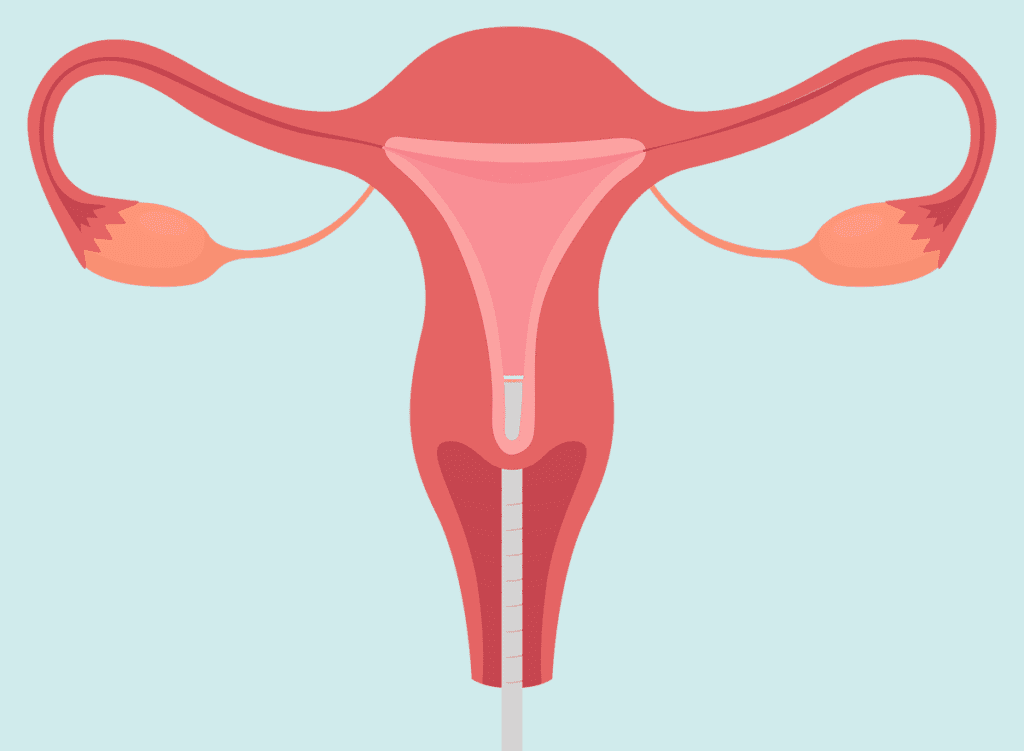
4. Removal
The netting is pulled back into the wand and removed from the uterus.
How do I know if endometrial ablation is right for me?
Endometrial ablation has helped more than 4 million women find relief without major surgery; however, it may not be the right option for everyone.5 Candidates are premenopausal women with heavy periods who aren’t looking to conceive. A conversation with your doctor can help you decide whether the NovaSure procedure or another option fits your lifestyle and health goals.
If you’re living with heavy periods that disrupt your life and don’t know where to begin, we’re here to help!
Better is possible.
Get to know your period and what your symptoms might be telling you about your health by taking our symptoms quiz.
Use our physician finder to find a doctor to talk with about your symptoms or a surgeon who offers the NovaSure procedure near you.
References
- Mayo Clinic. Iron deficiency anemia. https://www.mayoclinic.org/diseases-conditions/iron-deficiency-anemia/symptoms-causes/syc-20355034. Accessed January 2026.
- U.S. Centers for Disease Control and Prevention. About Heavy Menstrual Bleeding. https://www.cdc.gov/female-blood-disorders/about/heavy-menstrual-bleeding.html. Accessed January 2026.
- ACOG. Heavy Menstrual Bleeding. https://www.acog.org/womens-health/faqs/heavy-menstrual-bleeding. Accessed July 2025.
- Mayo Clinic. Endometrial ablation. https://www.mayoclinic.org/tests-procedures/endometrial-ablation/about/pac-20393932. Accessed January 2026.
- Hologic, Inc., Data on file, 2024. Based on units shipped from 2004-2024.
NovaSure endometrial ablation is for premenopausal women with heavy periods due to benign causes who are finished childbearing. Pregnancy following the NovaSure procedure can be dangerous. The NovaSure procedure is not for those who have or suspect uterine cancer; have an active genital, urinary or pelvic infection; or an IUD. NovaSure endometrial ablation is not a sterilization procedure. Rare but serious risks include, but are not limited to, thermal injury, perforation and infection. Temporary side effects may include cramping, nausea, vomiting, discharge and spotting. Inform patients to contact you if they experience a possible side effect related to use of this product. If you or someone you know has possibly experienced a side effect when using our product, please contact your physician.